
Research
9 1免费版下鈥檚 new Killam Memorial Chairs push boundaries in health, humanities, and agriculture

Four 9 1免费版下 researchers are set to embark on the next chapter of their scholarly careers with strong momentum behind them as Killam Memorial Chairs. Read more.
Featured News

Wednesday, June 24, 2026
Led by 9 1免费版下, BioLabs East will build a GMP 鈥� Good Manufacturing Practice 鈥� facility in Nova Scotia, producing vaccines and cell therapies for clinical trials while strengthening Canada鈥檚 biomanufacturing capacity and innovation ecosystem.

Thursday, June 25, 2026
A reimagined OpenThink cohort moves beyond blogging, testing podcasts and social media to broaden impact, connect with new audiences, and amplify how Dal research informs public dialogue and policy.
Thursday, June 18, 2026
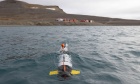
9 1免费版下 robotics and underwater acoustics researcher Dr. Mae Seto is working with Defence Research & Development Canada to develop intelligent autonomous sensing systems that can extend the reach of the Canadian Armed Forces in the Arctic and help Canada protect its sovereignty in remote, harsh maritime environments.
Archives - Research
Thursday, August 6, 2020
Dr. Joanne Langley, professor in the Departments of Pediatrics and Community Health and Epidemiology, has been named co-lead of the Government of Canada's COVID-19 Vaccine Task Force, helping advise the government on supporting vaccine research and ensuring Canadian leadership in vaccine development and access to safe and effective products.
Wednesday, August 5, 2020
New Canadian clinical practice guidelines for obesity, developed by Dal researcher Sara Kirk and her colleagues, aim to help reduce the prevalence and impact of weight bias and stigma in clinical care while also encouraging the public to advocate for change.
Thursday, July 30, 2020
The move to remote working and closure of offices and daycares during the pandemic has significantly impacted the careers of women. We asked Dal's Karen Foster how gender inequity impacts women in the workforce and how these inequities have been exacerbated by the pandemic.
Monday, July 27, 2020
How Assistant Professor of Biology Jonathan Ferrier is using an Indigenous framework to guide his summer research projects.
Thursday, July 23, 2020
While Canada has done well compared to countries like the U.S. and the U.K. in containing COVID-19, rates of infection and deaths are higher than in many similar western democracies. Why? Social Work prof Raluca Bejanad her colleague Kristina Nikolova look at the comparisons.