

It’sÌýnot your usual openingÌýevent forÌýa scientific facility.ÌýMost ribbon-cuttings do not require medical clearance. Most guests do not arrive with oxygen packs.
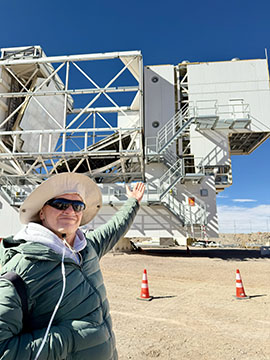 But this Thursday (April 9), Dr. Scott ChapmanÌýand a bus full of academic and government dignitaries — at leastÌýthose cleared to make the ascent — climbed high into the Chilean AndesÌýtoward a new telescope, where even stepping out for a brief ceremony can leave visitors foggy and short of breath.
“Yeah, well, you need to use oxygen to work up there.ÌýIt’sÌýEverest base camp height,â€�ÌýsaysÌýDr. Chapman, Killam Professor in Astrophysics at 9 1Ãâ·Ñ°æÏÂ. “Unless you’ve acclimatized over many weeks,Ìýit’s impossible to function without oxygen tubes.â€�
Shown left: Dr. Chapman proudly presents the telescope moments before it was turned on for the first time. (Margaret Chapman photo)
It's the highest altitude a telescope has ever beenÌýplaced.
The newÌýÌý(FYST)Ìýis stationedÌý5,600 metersÌýabove sea level in northern Chile, a landscape Dr. Chapman describes as high-altitude desert. He says it's “the highest altitude a telescope has ever beenÌýplaced.â€�
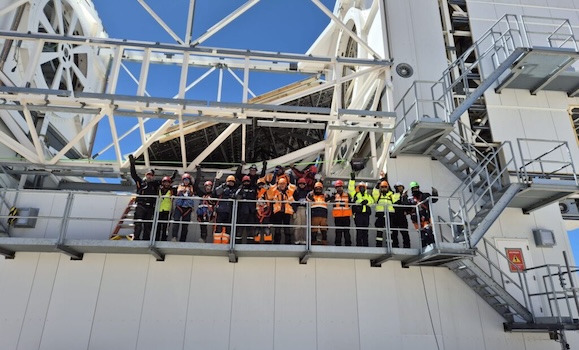
The site team after successfully installing the first mirror (March 19, 2026).ÌýCourtesy ofÌý.
TheÌýprojectÌýis led byÌý, a collaboration that includesÌýaÌýconsortiumÌýofÌýGerman and Canadian universities — including 9 1Ãâ·Ñ°æÏ — in conjunction with Chilean astronomers through the University of Chile.
Capturing the universe
Ìý
WhileÌýpunishing, theÌýthin air is also the pointÌýsaysÌýDr. Chapman,Ìýwho led theÌýdesign and construction ofÌýonboardÌýcameraÌýsystems.ÌýThe extremeÌýaltitudeÌýmeansÌýless moisture in the atmosphere to interfere with theÌýinstrument’sÌýview — ideal conditions forÌýcapturingÌýimages ofÌýthe universe.
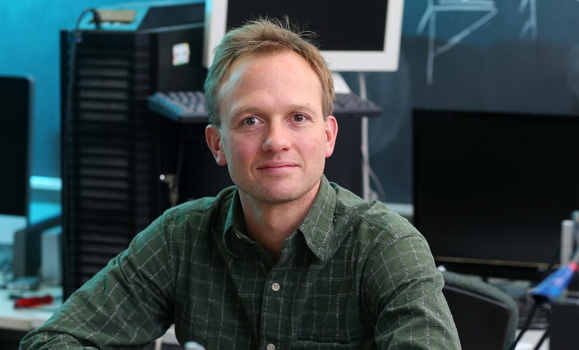
Dr. Scott Chapman. (Nick Pearce photo)
Unlike human eyes, which perceive cosmic shapes by the light they emit, Dr. Chapman says the telescopeÌýobservesÌýsubmillimetre wavelengths — the faintÌýsignals that sit between radio and infrared.ÌýItÌýcanÌýalsoÌýobserveÌýmassive swaths of the sky at once. It's powerful enough to scan about 1,000 times the area seen by a conventional telescope, surpassingÌýsimilarÌýsubmillimetreÌýtelescopeÌýfacilities.Ìý
From its perch high in Atacama Desert, Dr. Chapman says the new telescope will open new "windows through the atmosphere" to survey vast tracts of cosmos. He says the data produced willÌýgiveÌýscientistsÌýnew insights into howÌýgalaxies formedÌýbeginning in theÌýearly universe and how stars are born in our own galaxy.ÌýÌý
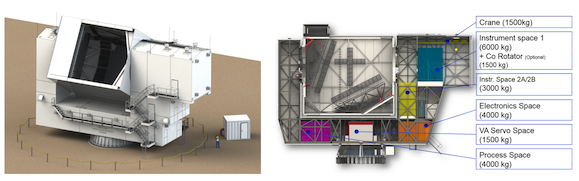
Artist’s renderingsÌýof the Fred Young Submillimeter Telescope.ÌýCourtesy ofÌý.
Supercharged pixels
Ìý
The camera systemsÌýDr. ChapmanÌýhelpedÌýproduceÌýfor the telescopeÌýare far removed fromÌýyour averageÌýsmartphone setup.ÌýDeveloped with $500,000Ìýin supportÌýfrom the Canada Foundation for Innovation,ÌýtheÌýimage-makingÌýdevicesÌýuse quantum-based detector technology to buildÌýgraphic depictionsÌýof our evolving galaxy.
He says the noveltyÌýof the technology is not obvious from theÌýphysical construction.
“If I showed you a design of it, it just looks like the inside of a camera.ÌýFour lenses, some filters, digital pixels sitting at the focal point of it.â€�
What makes it differentÌýare the processors that power it.
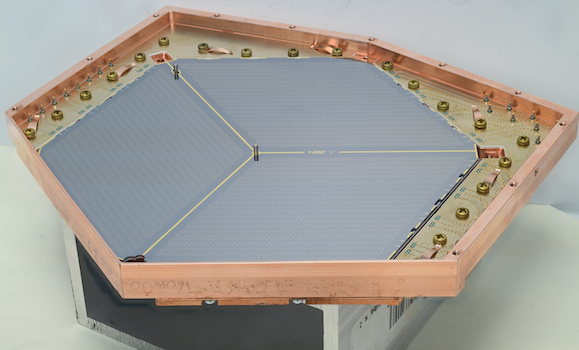
One of theÌýdetectorÌýarrays that allows the camera to capture faint signals from space. (Scott Chapman photo)
“It’sÌýa digital camera in a sense, like the camera on your phone, but it uses quantum mechanical techniques to detect the light.ÌýIt’sÌýa very advanced technological development thatÌýwe’reÌýtrying to pioneer.â€�
Like a conventional digital camera, Dr. Chapman’s instrument captures information pixel by pixel. But each pixel uses quantum-basedÌýsuperconductingÌýtechnology, making the camera far more sensitive to the faint signals associated with star formation.
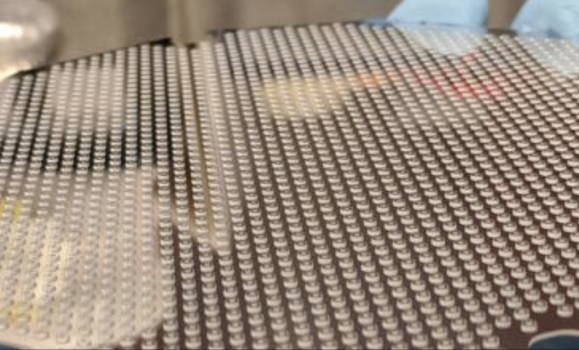
Precision-engineered structures that help guide signals through the instrument.
The concept was developedÌýnearly 30Ìýyears ago by one of Dr. Chapman’s colleagues. But turning it into a working instrument hasÌýrequiredÌýdecades of engineering, including close collaboration with a lab in Boulder, Colorado, culminating in its first application in theÌýFredÌýYoung Submillimeter Telescope.
A star is born
Ìý
Dr. ChapmanÌýsaysÌýtheÌýnewÌýcamera provides greaterÌýsensitivity toÌý“theÌýcold things,â€� in theÌýouter reachesÌýof the galaxy.ÌýTo work, the instrument must beÌýchilledÌýtoÌýnearÌýabsolute zero. That extreme operating environment is whatÌýfacilitatesÌýthe camera’sÌýunusual sensitivityÌýtoÌýdetectÌýcoldÌýmasses of gas andÌýobserveÌýtheirÌýtransformationÌýintoÌýthe stars.
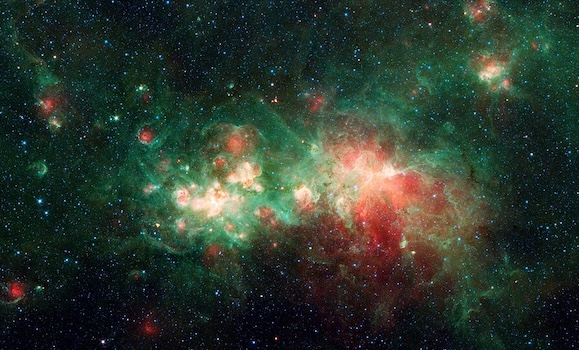
W51 Nebula - One of the largest “Star Factoriesâ€� in the Milky Way - August 25, 2020. (Ìýimage)
“They start as a very cold puff which is about 30 kelvins, about minus 240 degrees Celsius. And then,Ìýas they collapse, they heat up, and eventually the temperature reaches the temperature at the centre of the sun,â€� says Dr. Chapman.Ìý
He explains that thisÌýprocess isÌýthe consequence ofÌýgravitational energy being turned into thermal energy.ÌýThe more tightly packed particals are drawn together the hotter they get.Ìý
This telescope is good at seeing when stars like our sun are just starting to form.
“We like to pretend temperature is something we feel in response to how much sunlight there is,â€� he says,Ìý“butÌýtemperature is the kinetic energy of the particles.â€�
Dr. Chapman’s camera systemsÌýcapture the collapsing of these cosmic structuresÌýand theÌýconcentration of theirÌýkineticÌýenergy as they become more tightly packed, giving researchers a clearer view of how starsÌýare createdÌýand galaxiesÌýarise.Ìý
“This telescope is good at seeing when stars like our sun are just starting to form,â€�ÌýsaysÌýDr. Chapman.Ìý“We’reÌýgetting to seeÌýstars just starting in our galaxy andÌýcaptureÌýthem takingÌýshape.â€�