

Anxiety disorders affect as many as 20 per cent of people globally, yet for decades scientists have struggled to understand the biology that underpins them.听
Now, the largest genetic study of anxiety ever conducted, co鈥憀ed by 9 1免费版下 researchers, is providing the clearest picture yet of why some people are more vulnerable than others.
This new global research suggests anxiety disorders 鈥� one of the world鈥檚 most common mental-health conditions 鈥� are deeply rooted in genetics.听
鈥淔or a long time, anxiety was seen as less biological than conditions like schizophrenia or bipolar disorder. But this work clearly shows that anxiety has a substantial genetic component 鈥� comparable to depression 鈥� and that it is absolutely a real, biologically rooted illness.鈥� says associate professor in 9 1免费版下鈥檚 and one of the study鈥檚 co鈥慳uthors.
This work clearly shows that anxiety has a substantial genetic component 鈥� comparable to depression.
Drawing from 36 independent cohorts across the world that make up the (PGC), the study marks a milestone in psychiatric genomics and sets a new benchmark for the field.
Recently published in , the study analyzed data from more than 120,000 people diagnosed with anxiety and over 730,000 without the condition. The PGC identified 58 loci, or genetic variants, linked to anxiety, many of which have never been reported before.
Multiple factors at play
One of the most important insights from the study is that anxiety is not driven by a single gene, but rather by many small genetic influences across the genome. This pattern mirrors what researchers see in other complex mental-health conditions, including depression.
The team also identified strong genetic overlap between anxiety and traits such as neuroticism, PTSD, depression, and suicide attempts. The findings help explain why these conditions so often appear together.
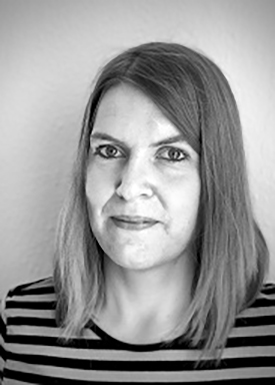 Some discoveries were surprising. For example, while clinicians often believe anxiety typically precedes depression, the genetic data showed the relationship goes both ways. In addition, the study unexpectedly found that PTSD appeared to predict anxiety, not the other way around. Dr. Meier notes that further research, especially in children and younger populations, is needed to understand these patterns.
Shown left: Dr. Sandra Meier.
Among the most encouraging findings was the discovery that several of the identified genes relate to GABAergic signaling, one of the brain鈥檚 key systems for regulating activity and the target of some existing anti鈥慳nxiety medications.
鈥淚t was reassuring to see that the biology emerging from the data aligns with what we observe in clinical practice,鈥� says Dr. Meier. 鈥淭hese genes enrich in brain regions involved in stress processing, which fits with everything we know about how anxiety works in the brain.鈥�
While the results of the study do not support using genetic testing to diagnose anxiety, they point to biological pathways that could guide the development of more targeted therapies.
The evolution of anxiety
Dr. Meier notes that anxiety may once have offered survival advantages by helping humans avoid threats. While these mechanisms may have been adaptive in ancient environments, they can create vulnerabilities in modern life.
鈥淪ome people have inherited biological traits that made sense centuries ago,鈥� she explains. 鈥淏ut today, that same biology can make a person more likely to develop an anxiety disorder. Understanding this helps destigmatize anxiety. It鈥檚 not a weakness. It鈥檚 part of our evolutionary history.鈥�
Anxiety can be deeply debilitating, yet Dr. Meier says it is still sometimes dismissed or misunderstood, even amongst rising awareness of mental health and mental- health care.
鈥淎nxiety disorders are incredibly common, especially in children, and they can be a pathway to other mental illnesses later in life,鈥� she says. 鈥淔or patients, it can be validating to know this isn鈥檛 about being 鈥榯oo shy鈥� or 鈥榯oo sensitive.鈥� There are real biological factors that make someone more vulnerable.鈥�
At the same time, she notes that genetic risk is not destiny, especially for parents who worry about passing anxiety on to their children.
Genetics may increase vulnerability, but parents with anxiety are often the best equipped to help a child navigate it.
鈥淕enetics may increase vulnerability, but parents with anxiety are often the best equipped to help a child navigate it,鈥� she explains. 鈥淭hey know the early signs, they know what coping strategies work, and they can model how to face fears rather than avoid them.鈥�
The missing pieces: population gaps in available data
Despite the unprecedented scale of the study, most of its samples came from individuals of European ancestry. At the same time, the study showed remarkable consistency across different European samples, strengthening confidence in the biological pathways uncovered. Ensuring that future findings benefit all populations will require much broader genetic diversity in research.
Also, most of the datasets used in this global analysis were collected from adults, leaving another important gap: the biology of anxiety in young people. 9 1免费版下 researchers are already working to close that gap through the GAYA study, a major Canadian project investigating the genetic risk factors for anxiety in children and adolescents.
鈥淲e know from twin studies that the genetic architecture of anxiety changes from childhood to adulthood,鈥� Meier explains. 鈥淭o fully understand the biology, we need childhood data 鈥� and thanks to families here in Canada and Nova Scotia, we鈥檙e building that missing piece.鈥�
This study proves that large鈥憇cale genomic research approaches work and that expanding them into youth populations is the crucial next frontier.
A global effort rooted in local contributions
The study was conducted through the PGC and supported by a combination of international and site鈥憇pecific funding, including contributions from the GAYA study. It also involved extensive analytical work led by Dr. Meier鈥檚 research collaborator, Dr. Manuel Mattheison, alongside genetic epidemiologist Dr. John Hettema, known for his influential twin studies in anxiety.
Dr. Meier emphasizes that progress in this field depends not only on large-scale global collaborations, but on the willingness of individuals鈥攊ncluding families in Atlantic Canada鈥攖o participate in research.听
鈥淧eople here are genuinely helping fill some of the biggest gaps in our understanding of anxiety,鈥� she says. 鈥淭heir involvement is essential to uncovering the biological stories we still don鈥檛 know.鈥�